
The NFS Fellowship
Our year-long intensive fellowship is the centerpiece of NFS. Through original research, structured mentorship, and interdisciplinary collaboration, fellows gain the expertise, judgment, and professional networks needed to engage with complex challenges in technology and international affairs. The NFS Fellowship is open to graduate and undergraduate students.
Application Deadline: September 9th
Program Start: September 21st
The Fellowship Experience
The NFS Fellowship combines rigorous research, structured mentorship, skills training, and engagement with academic and policy communities. Fellows spend the year developing original projects in university teams while participating in seminars, workshops, retreats, and collaborative research activities designed to strengthen both their scholarship and professional development. Over the course of the year, fellows prepare an academic investigation of their research topic, derive concrete policy measures from their findings, and brief them to senior decision makers in government, think tanks, and private industry.
A Year as an NFS Fellow
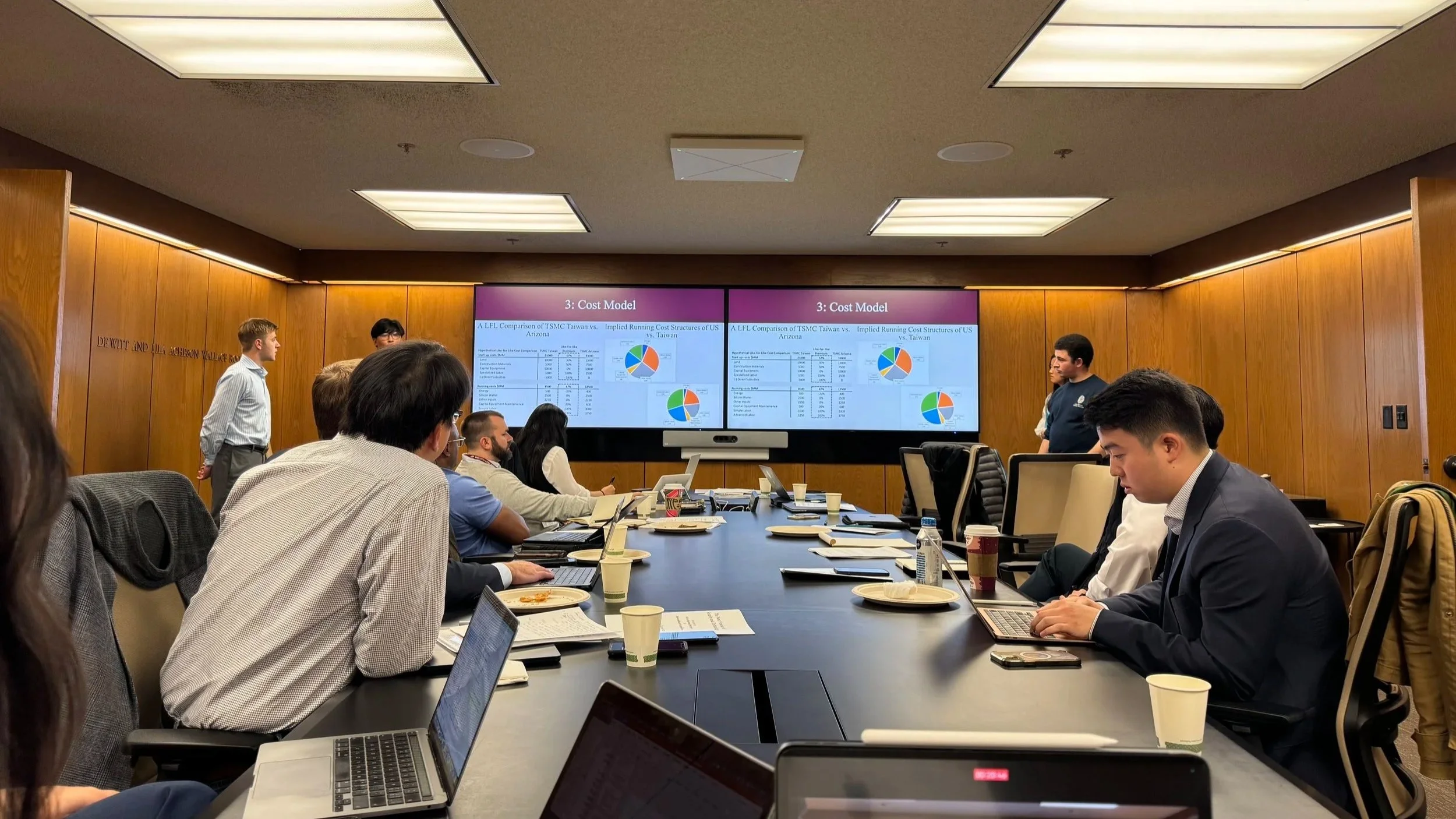
The NFS Fellowship operates on a one-year cycle, beginning with applications and admissions in the fall. Following initial onboarding and skill-building sessions, fellows meet in person for the annual launch retreat, typically hosted in Newport, Rhode Island on the U.S. East Coast. Fellows present initial ideas, attend workshops and keynote lectures with field leaders in an intimate, approachable setting, and exchange ideas and socialize with fellows from their peer institutions.
Fellows then work on their projects and attend roughly weekly sessions with mentors, producing a draft academic paper. The NFS community then comes together for the academic colloquium, typically hosted in Palo Alto, California on the U.S. West coast, where fellows receive feedback on their work and engage in a series of workshops intended to prepare them to convert their academic findings into concrete policy proposals or decision guidance.
Following another phase of work in their university teams, fellows present their finished recommendations to leaders in government, think tanks, and private industry in closed-door team briefings.
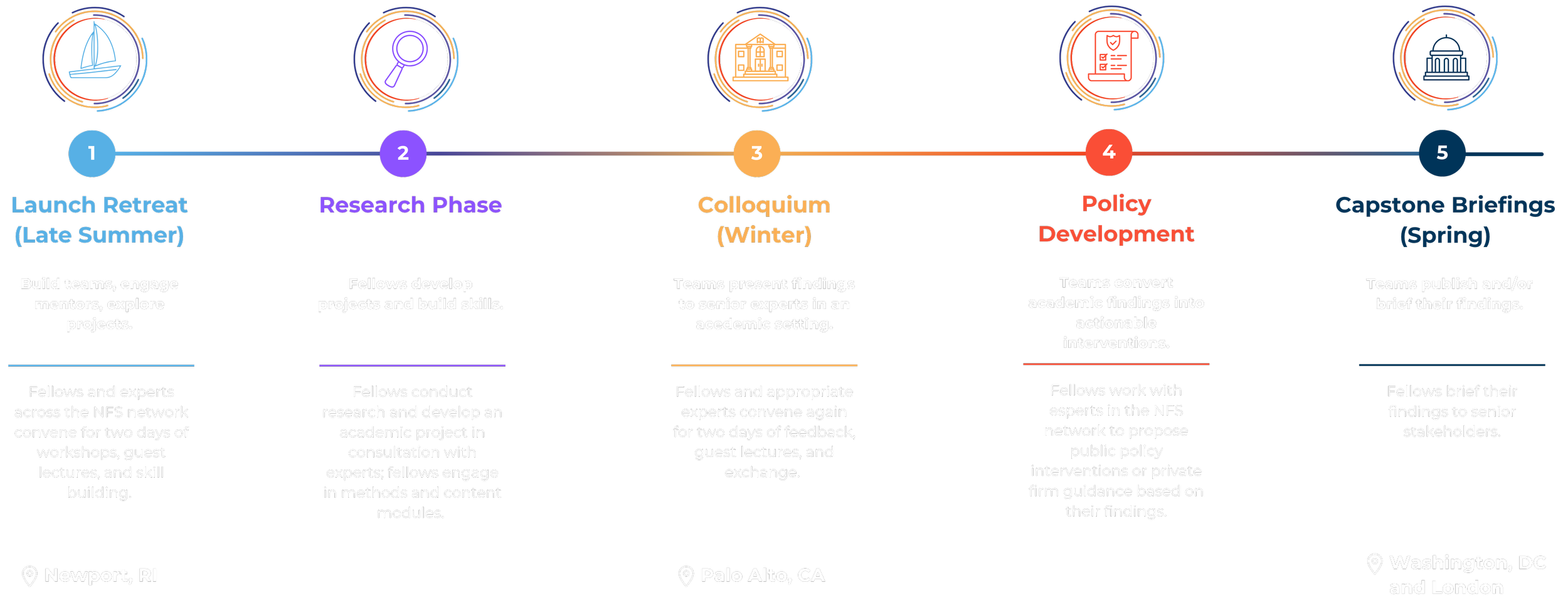
Though publication is not a requirement of the fellowship and publication opportunities cannot be guaranteed due to the nature of peer review, many fellows publish their work following the fellowship. NFS provides ongoing publication support to and beyond the conclusion of the program.
Build Skills in an Immersive, High-Trust Environment

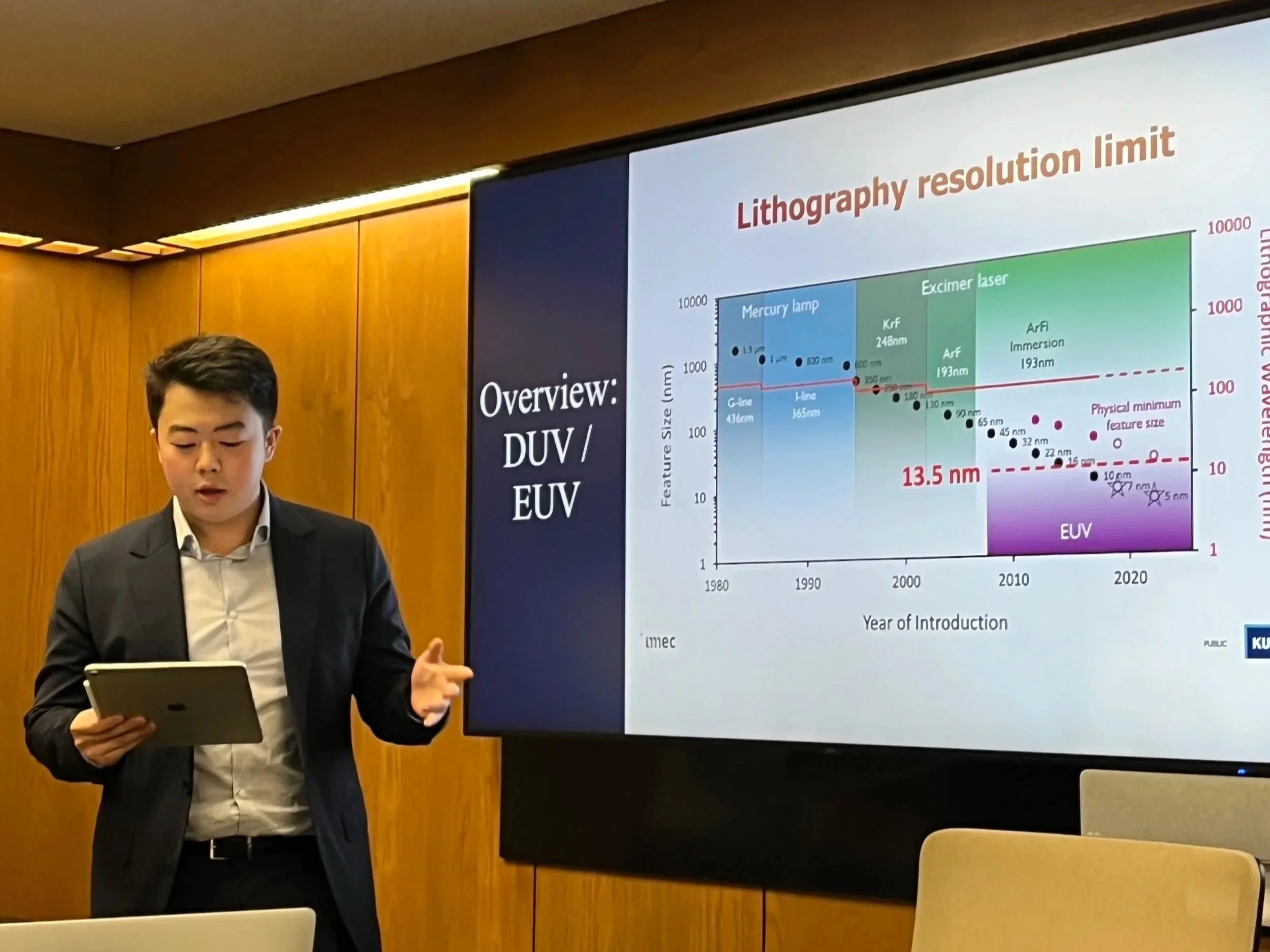
NFS organizes small, interdisciplinary teams where fellows can test ideas, take intellectual risks, and learn through close collaboration. Across immersive retreats, workshops, and research meetings, fellows engage directly with leading thinkers and practitioners from academia, government, industry, and civil society. Fellows engage with subject matter experts from across the NFS network and build concrete skills in roughly weekly remote seminar sessions and in intensive in-person workshops. These candid, small-group exchanges help fellows strengthen their research, writing, briefing, and teamwork skills while gaining insight into how complex decisions are made in practice. Our goal is to facilitate a high-trust environment built around rigorous feedback, unstructured learning, and relationships that endure beyond the fellowship.
Take Ownership of Your Work and Impact
We believe ownership of projects and problems cultivates excellence, and frequently results in actionable findings from fellow projects. Fellows conceptualize, execute, and own their projects, with support from NFS mentors and experts along the way. Rather than assisting in a predefined research agenda, fellows define their problem, shape their approach, and share their findings. In this model, successes truly belong to fellows, who serve as primary authors, brief their findings directly to relevant audiences, and leave the program with a substantial portfolio piece that reflects their own initiative and capabilities.
Program Information
Program Schedule and Commitments
NFS welcomes applications from graduate and undergraduate students, regardless of field of study, from our partner institutions:
Yale University
Leland Stanford Junior University
The University of California, Berkeley
The University of Oxford
We are working to expand our program to additional institutions.
Returning NFS fellows must re-apply to the fellowship program.
Admission Criteria
NFS is a competitive program, and in view of this, we invest considerable time in evaluating applications. This allows us to rely less on quantitative metrics (like grades, though successful applicants typically have high marks in coursework) and more on a holistic assessment of the fit of a student’s stated goals with the program and a student’s ability to meet their stated goals.
Applications will be assessed on the basis of the clarity of an applicant’s motivation, their ability to execute their proposed work, and their ability to make the most of the program’s resources. Given this, successful applicants may possess a variety of skills and qualifications. For example, an applicant proposing a quantitative analysis should demonstrate strong capabilities in mathematics, but less-rigorous preparation in mathematics may not weaken an application proposing to undertake qualitative historical analysis.
We encourage application from a variety of academic and personal backgrounds. Though many successful applicants have backgrounds in public policy, law, political science, or computer science, many others have backgrounds in the natural sciences, area studies, or fine arts. A typical cohort consists of roughly two-thirds undergraduate (BA, BS, BFA) and one-third graduate (MA, MPP, DPhil, PhD) students.
NFS explicitly welcomes both competitive and cooperative approaches to international affairs.
NFS is a year-long program anchored by three mandatory in-person events. Over the course of the program, fellows produce one major piece of written work and several related briefings and presentations. Fellows typically produce several shorter pieces over the course of their time in the program.
Participating in NFS is a substantial commitment of time and effort. The program requires considerable self-direction and initiative. Producing high-quality research and engaging with principals can be deeply rewarding, but can also be demanding. Fellows should expect a typical week at NFS to mirror a seminar course, and should expect the lead-up to presentations to involve periods of increased workload alongside preparations for travel.
Program Costs
As part of our mission to identify and develop exceptional fellows, regardless of means, NFS does not charge tuition or fees and supports all program costs, including travel and lodging. This roughly equates a $30,000/£23,000 investment in your education depending on your home institution.
Application Process
NFS relies on a rigorous application process to get to know potential fellows holistically and avoid relying on heuristics that fail to capture productive yet unconventional paths to technology and international affairs topics. We rely heavily on interviews and writing samples in our admission process.
Application requirements:
A one-page statement explaining your motivation for applying to NFS, the career objectives it will advance, and your qualifications to succeed in a rigorous, self-directed research project.
A CV or resumé
A single-author writing sample
A one-page personal statement explaining your motivation for applying to NFS, the career objectives it will advance, and your qualifications to succeed in a rigorous, self-directed research project.
A current transcript
Letter of recommendation
Application form
Applications are reviewed holistically by a working group of delegates from NFS and partner institutions. We devote considerable time to reviewing application materials. Following a review of written materials, selected applicants may be invited to participate in up to two rounds of interviews. We evaluate applicants based on intellectual curiosity, academic excellence, demonstrated initiative, collaborative potential, and interest in issues related to international affairs and emerging technology. Given advances in generative AI tools, we rely heavily on interviews and expect applicants to expand on their application materials throughout the interview process.
NFS explicitly welcomes applicants from a variety of majors or concentrations from all backgrounds. Further, the program welcomes both competitive and cooperative approaches to international affairs topics.
All applicants will receive a written admissions decision in early September. Following this, successful applicants will have the opportunity to accept or decline their offer of admission.
Eligibility

Ready to apply?
If you’re ready for a challenge and would like to join us at the Next Frontier Seminar, follow the link below to access the 2026-2027 application portal, which provides additional details about application process and frequently asked questions.