
Developing the next generation of leaders at the intersection of technology and international affairs
The Next Frontier Seminar is a multi-university program that identifies and develops exceptional undergraduate and graduate talent at the intersection of emerging technology and international affairs. The flagship year-long NFS fellowship combines original research, close mentorship, inter-university exchange, and engagement with a wider network of experts to prepare fellows for meaningful careers and lasting impact.

Engage with today’s toughest challenges
We believe today’s toughest challenges lie at the intersection of emerging technologies and international affairs. NFS prepares a small group of undergraduate and graduate students to contribute meaningful solutions at this intersection. Fellows select their own research topics and work with mentors across the NFS network to develop concrete policy recommendations for organizations of their choice.
Interdisciplinary Approaches to Global Problems
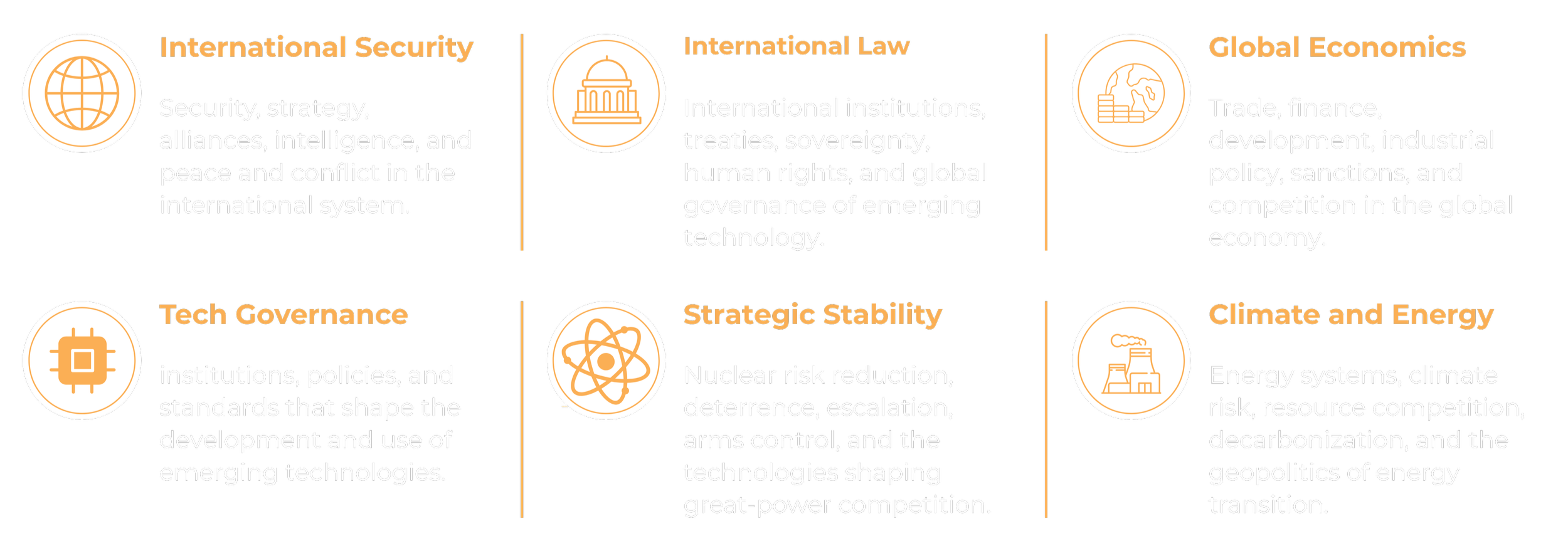
NFS fellows form interdisciplinary teams and select projects informed by their interests and mentorship from the broader NFS network. Because today’s global challenges rarely fit neatly within a single field or perspective, the program encourages fellows to engage seriously with competing ideas, methods, and approaches to technology and international affairs.
The NFS Fellowship
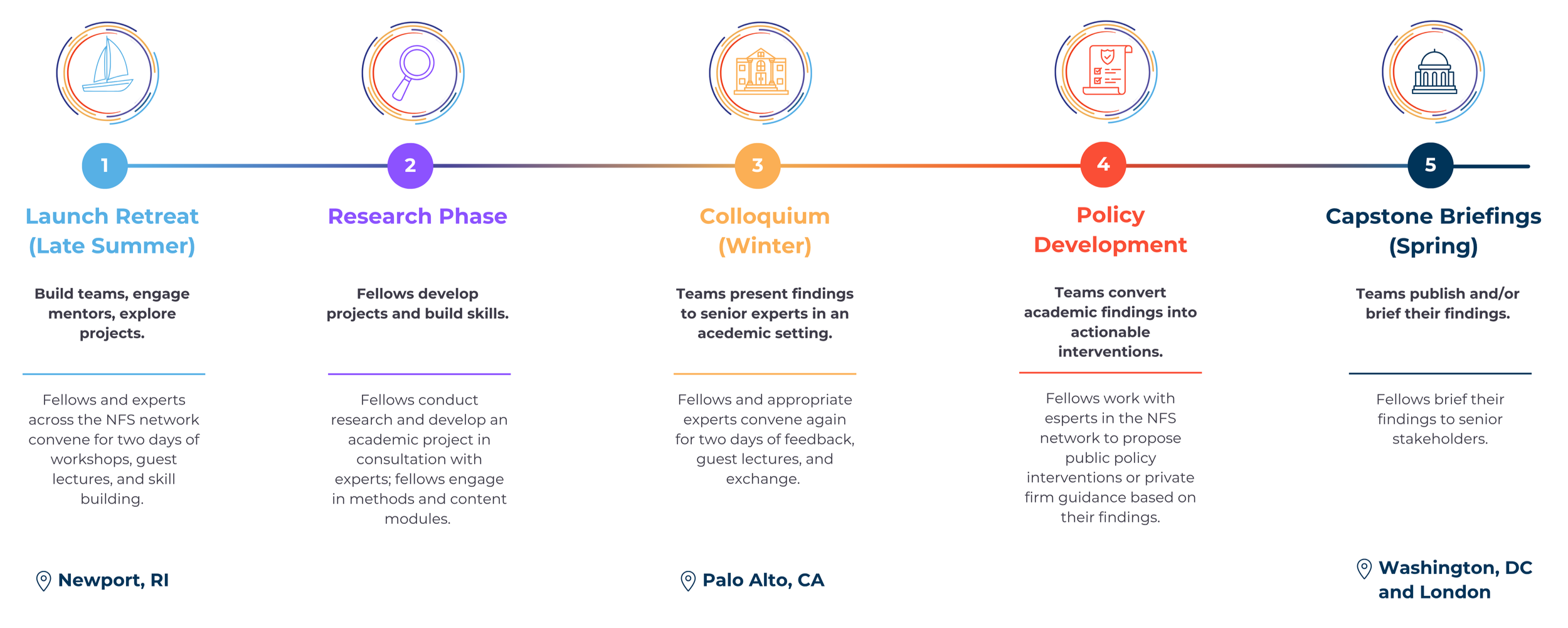
NFS fellows undertake a year-long program combining skills workshops, rigorous research, policy development, and engagement with senior policymakers, researchers, and practitioners. Fellows work closely with in-person teams at their home institutions while convening for multi-university workshops in New England, the San Francisco Bay Area, Washington, DC, and London to build concrete skills, refine their work, and present their findings to key academic and policy audiences. Fellows leave the program with practical skills, lasting networks, and experience tackling real-world problems at the intersection of technology and international affairs.
A Year at the Next Frontier Seminar
Work across leading academic communities
NFS fellows collaborate across our partner institutions and work with experts from the broader NFS network. We believe this exchange of strengths and perspectives is one of the defining features of the program.
By bringing together fellows, researchers, and practitioners from different fields and academic communities, the program fosters rigorous interdisciplinary study, exposes fellows to new methods and ways of thinking, and builds lasting professional networks grounded in shared intellectual ambition.


NFS at BRSL
NFS is now based at the Berkeley Risk and Security Lab, a leading hub for research at the intersection of technology and security. This partnership deepens our academic foundation and expands opportunities for fellows to engage with cutting edge research and real world challenges alongside their projects.
The NFS Curriculum
While self-directed research in small teams is the cornerstone of the NFS curriculum, the program also includes a rigorous weekly seminar series focused on research methods, emerging technologies, international affairs, and professional development. Sessions are taught by leading scholars and practitioners from our partner institutions and extended network in an online, interactive small-group setting designed to encourage substantive discussion and mentorship.
Because seminars are tailored to fellows’ research topics and levels of expertise, the curriculum remains valuable both to undergraduate and graduate fellows pursuing specialized academic or policy research.
In addition to the year-long research project and policymaker briefings, fellows engage in weekly seminars or in-person workshops topics including:
Research methods
Public policy development
Briefing policymakers
Tailored deep-dive sessions on technologies relevant to their project, (e.g. AI, nuclear weapons, synthetic genomics, advanced semiconductor packaging) from field experts
International relations theory
Science and Technology Studies (STS) theory
Ethics of public policy writing
Navigating peer review
Writing for op-eds, public policy analysis, and memos

Work closely with Leading Experts
in Public Policy, International Relations, Fundamental Science, Applied Technology, Business, and National Security

Fellows engage with field-leading experts in technology, political science, business, international law, and defense topics.
“Next Frontier Seminar pushed me to think critically about impact and what it means at the intersection of technology, policy, and finance. I met leaders who will undoubtedly shape the next phase of my career and our world, along with inspiring peers who will become lifelong friends.”

Small-group settings encourage rigorous discussion and lasting professional relationships.
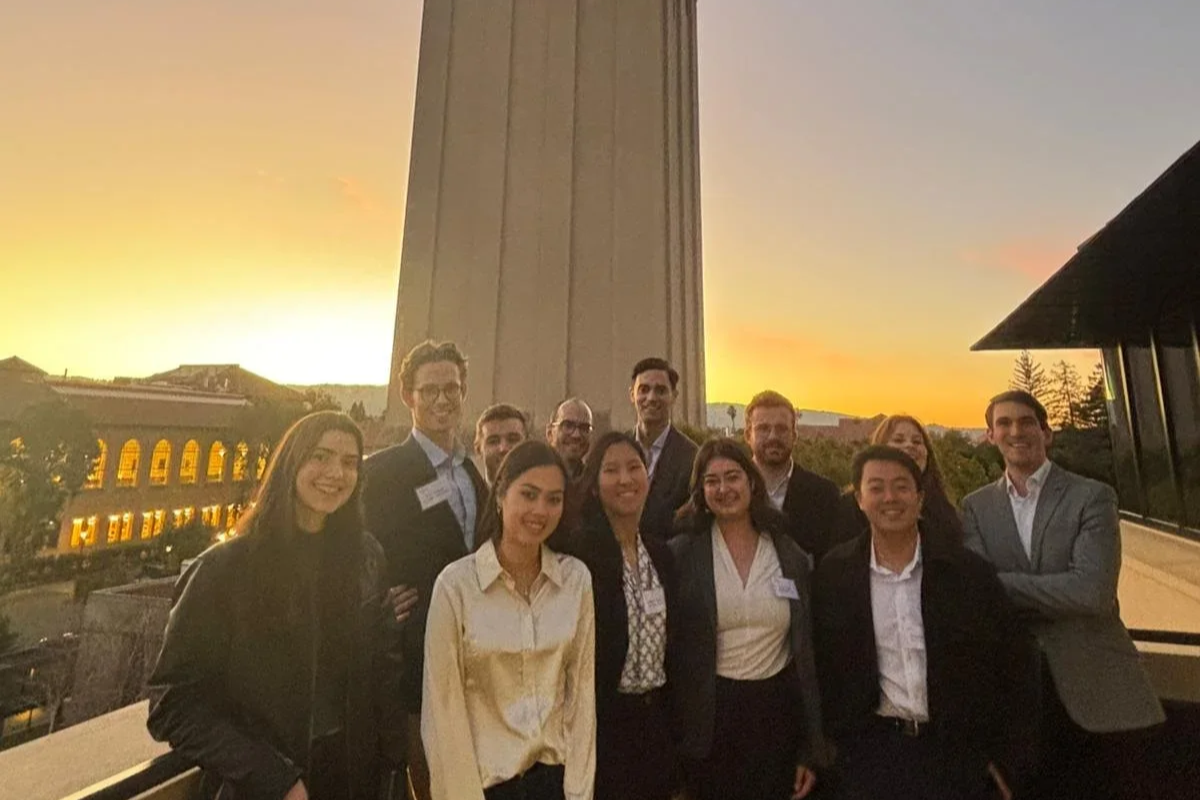
Fellows work across institutions to exchange ideas and build meaningful connections.
“The Next Frontier Seminar helped me get the right eyes on my work and has been a valuable part of my personal and professional development. If you’re interested in working in national security and at the bleeding edge of tech policy with all the right people, highly recommended.
Aside from all that, it’s also been downright good fun.”
Our Model for Impact
NFS combines the strengths of a rigorous academic fellowship, an inter-university network, and a high-trust community of researchers and practitioners working at the frontier of technology and international affairs. Fellows work in small interdisciplinary teams on authentic, self-directed problems with guidance from leading scholars, policymakers, and industry experts across the broader NFS network.
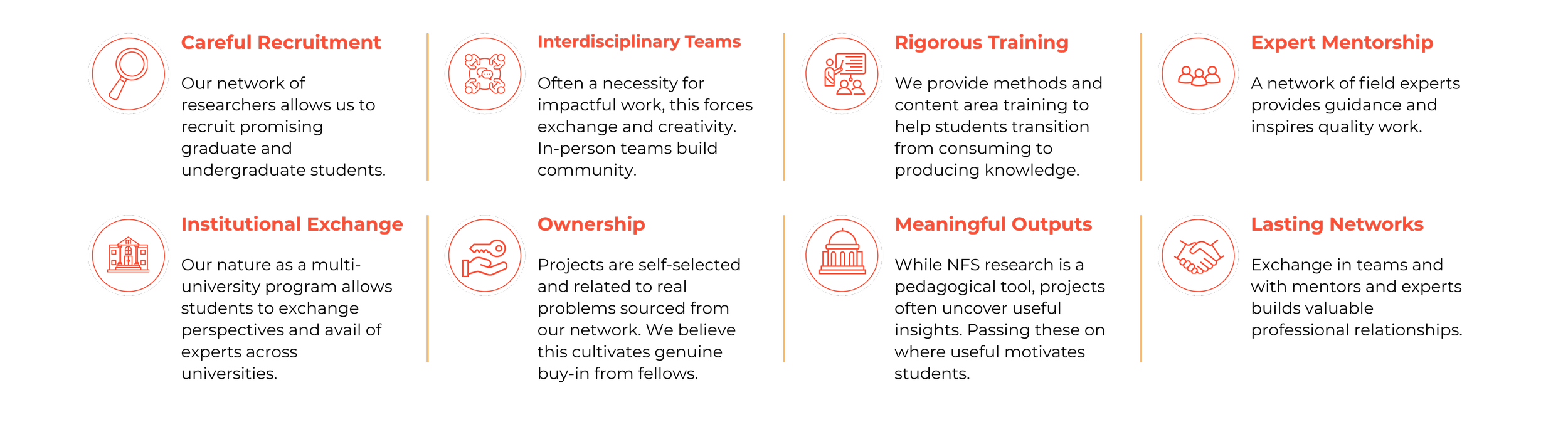
Our model is built around ownership, exchange, and real-world engagement. By combining rigorous research, expert mentorship, cross-institutional collaboration, and direct exposure to policy audiences, NFS helps fellows develop the skills, judgment, and professional networks needed to contribute meaningfully to some of the defining challenges of the twenty-first century.