
NFS Leadership
-

Graeme Clements
Cofounder and Board Member
Graeme Clements is a private equity investor and an Officer in the US Navy Reserve. He is a Partner at Kingfish Group and previously worked as an investment banker at Morgan Stanley in London. Graeme received a BA in International Relations from Stanford, an MSc in African Studies from Oxford and a Master of Public Policy from Yale, where he was a Kerry Fellow. -

Joyce Guo
Cofounder and Board Member
Joyce Guo is a Consultant at the Boston Consulting Group. She previously served as a Senior Research Analyst at Chung-Hua Institution for Economic Research (CIER) in Taiwan, where she focuses on semiconductor research. She holds a B.A. in Economics & Finance from University of Melbourne & Master of Public Policy from Yale, where she was a Kerry Fellow. -

Daniel Kroth
Cofounder, Board Member, and Program Director
Daniel Kroth is a Research Scholar at the Berkeley Risk and Security Lab and director of the NFS program. Previously, he led the Public Security Policy Program at the Center for AI Risk Management and Alignment and co-directed NFS as a nonprofit. He has held appointments at Lawrence Livermore National Laboratory, the Special Competitive Studies Project, and the Wilson Center’s Science & Technology Innovation Program. -

Margaret Maloney
Board Member
Margaret Maloney is a PR specialist and current Board Member of the U.S. Fulbright Scholarship. After studying at Mount Holyoke University and Oxford University, Maloney began a career in strategic communications and went on to serve as VP of Public Relations at the leading photovoltaics firm Tygo Energy. In addition to mentoring young women, she has been deeply involved with the Fulbright Scholarship program as a Board and Executive Committee Member. -

Sean Maloney
Board Member
Sean Maloney is a renowned technology executive who served as Executive VP of Intel and Chairman of Intel China. After rowing for the English national team, he joined Intel and led the successful push for mobile computing at the company. Just before he was set to take over as CEO in 2010, Sean suffered a devastating stroke. However, he made a miraculous recovery and was leading Intel China within a year. He has since served on the boards of SMIC, Netronome, and other leading firms. -

Ted Wittenstein
Board Member
Ted Wittenstein is a Senior Lecturer in Global Affairs & Director of the Schmidt Program on Artificial Intelligence, Emerging Technologies, & National Power at Yale. Ted is a graduate of Yale College and Yale Law School. Prior to returning to work for Yale, he held a variety of positions at the U.S. Department of Defense, Commission on the Intelligence Capabilities of the United States Regarding Weapons of Mass Destruction, Office of the Director of National Intelligence, and the Department of State.
BRSL NFS Team
-
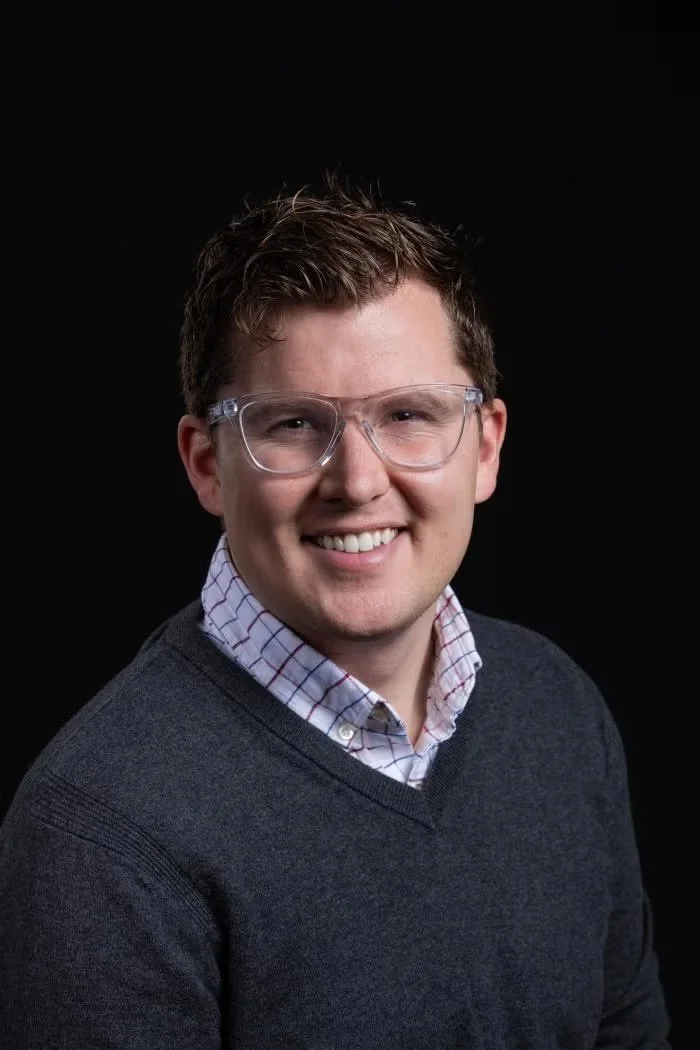
Andrew Reddie
BRSL Faculty Director, Associate Research Professor of Public Policy
Prof. Andrew Reddie is the founder and faculty director for the Berkeley Risk and Security Lab and is an Associate Research Professor of Public Policy at the University of California, Berkeley’s Goldman School of Public Policy where he works on projects related to nuclear weapons policy, cybersecurity, wargaming, and emerging military technologies.Andrew serves in faculty leadership roles at UC Berkeley’s Center for Security in Politics, and the Berkeley APEC Study Center and is an affiliate at the University of California’s Institute on Global Conflict and Cooperation. He also serves as the UC Berkeley campus lead for the University of California’s Disaster Resilience Network. He is a Bridging the Gap fellow, a non-resident fellow at the Brute Krulak Center at Marine Corps University, and a term member of the Council on Foreign Relations.
-
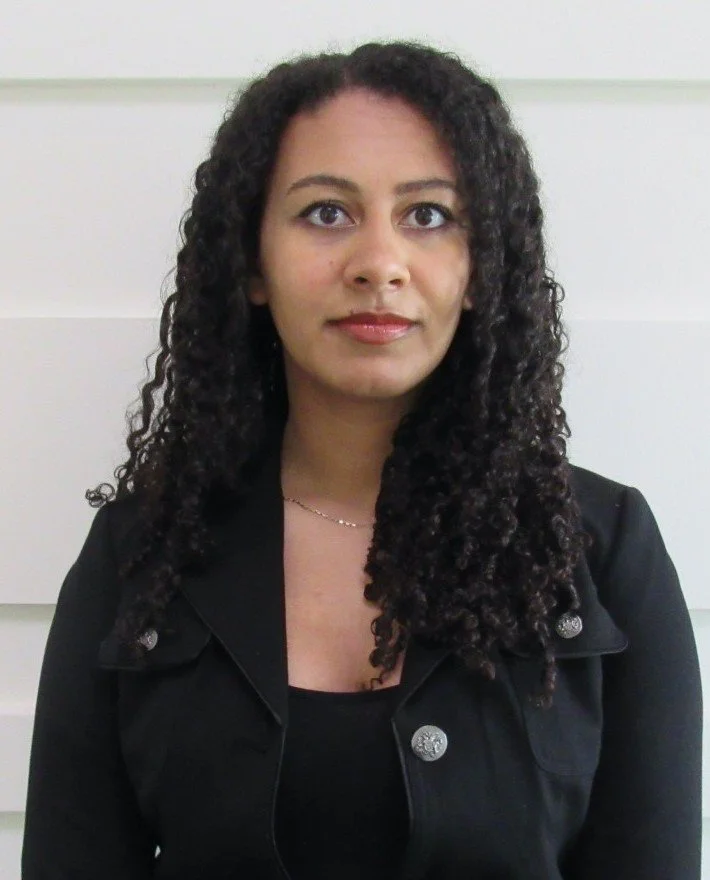
Leah Walker
BRSL Executive Director
Leah Walker is the Executive Director for the Berkeley Risk and Security Lab. She oversees the Lab’s interdisciplinary research portfolio which includes nuclear arms control, nuclear weapons policy, defense analyses, emerging defense technologies, the governance of emerging technologies, industrial policy, and strategic competition. Leah also conducts research on the governance of military and commercial artificial intelligence, Russian and Chinese nuclear posture and modernization, nuclear and radiological security, and maritime security and strategy.